Overview Emergency rodent control services Belleville
Overview Emergency rodent control services Belleville
Blog Article
Rodents can cause a significant problem fast. Mice and rats breed indoors, pollute surfaces, ruin insulation, and bite through electrical wiring. If you notice movement in a wall or discover fresh droppings, prompt action can limit property damage and disease risk.
Rodent Control Belleville services usually open with an prompt assessment. A pest control technician checks for active rodents, nesting areas, food sources, moisture, and entry points. The treatment may feature trapping, bait stations, rodent removal, and exclusion services. Follow-up visits then check that activity has stopped.
If you need to know when Call Emergency Rodent Control Services
Contact emergency pest control when you spot a rat during the day, notice repeated scratching noises, or find fresh rodent droppings in multiple rooms. These signs often indicate an active rodent infestation rather than a single animal moving through.
Urgent service also makes sense when rodents enter areas that affect health or safety. A mouse in a kitchen, a rat near stored food, or nesting inside an electrical panel needs fast service. Rodents may carry contaminants onto counters, cupboards, and food packaging. Their urine and droppings can leave unsafe surfaces behind.
Do not wait for a larger problem if you notice:
- Multiple mouse or rat in a short period
- Fresh droppings near food, appliances, or storage areas
- Strong odours from a wall, attic, basement, or crawl space
- Chewed wiring, insulation, plastic containers, or wood
- Ongoing noises above a ceiling or inside wall voids
- A rodent entering through a door gap, roofline opening, or foundation crack
Emergency pest control is not limited to removal. It should address why rodents entered and how they could return. Ask whether the service includes an inspection, exclusion work, treatment instructions, and a follow-up plan. Mosquito Man is one factual example of a business name associated with pest services. Check the exact services offered before booking.

Indicators of Rodents in Your Property
Rodent droppings are one of the strongest infestation signs. Mouse droppings are usually tiny and pointed at one or both ends. Rat droppings are bigger and more cylinder-shaped. Fresh droppings tend to look deep brown and softer, while older droppings become dry and dull.
Gnaw marks can appear on food boxes, plastic bins, wood, insulation, and wiring. Rodents need to shorten their teeth, so they may chew even when food is within reach. Damaged wiring creates a fire risk, while torn insulation can reduce energy performance.
Scratching noises at night may come from mice moving through wall voids, ceilings, or nesting areas. Rats often make louder sounds. Listen for movement near the attic, basement, crawl space, roofline, or behind kitchen cabinets.
Nesting material can include shredded paper, fabric, cardboard, insulation, and dried plant matter. A nest in a peaceful, warm space suggests that rodents may be living on the property, not simply passing through.
Other clues include greasy rub marks along walls, urine odours, disturbed stored items, and small holes in food packaging. A single clue may have another cause, but several signs together warrant a rodent inspection.
What Attracts Mice and Rats Indoors
Food sources pull rodents into buildings. Open pet food, crumbs under appliances, bird seed, pantry goods, and unsealed garbage can feed mice and rats. Even small food spills count when they remain in a quiet area.
Standing water also helps rodents survive. Check leaking pipes, dripping taps, condensation, floor drains, sump areas, and containers left outdoors. Repair plumbing leaks and keep dry damp areas where possible.
Garbage provides both food and nesting material. Use containers with snug lids. Rinse food packaging before storage or recycling, and avoid leaving full bags beside an open door.
Entry points are often smaller than you might think. Mice can pass through openings near pipes, vents, utility lines, doors, roof joints, and foundations. Rats can enter through bigger spaces around damaged masonry, garage doors, and drainage features.
Protection from the elements add to the appeal. Wall cavities, attics, basements, crawl spaces, and storage rooms offer protection from weather and predators. A cluttered area gives rodents places to hide and make nests.
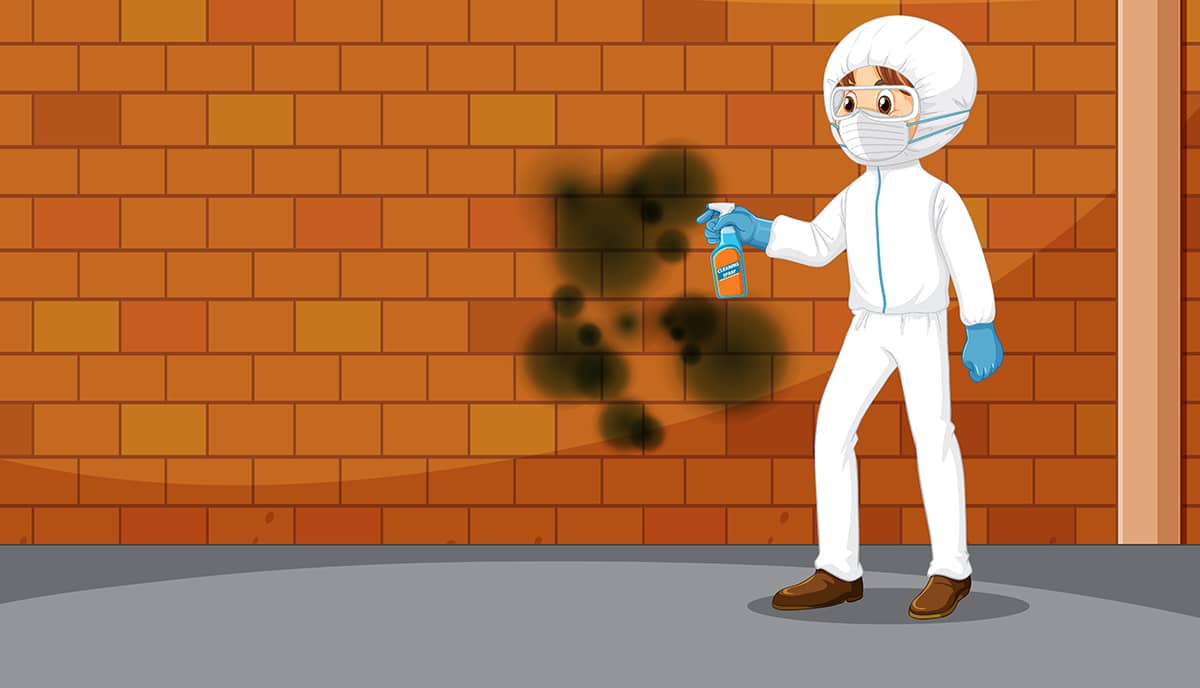
How Professional Rodent Control Services
Professional treatment follows a sequence. The technician identifies activity, reduces the population, closes access points, and checks the results. The exact method is based on the species, location, level of activity, and risks around children, pets, food, and wildlife.
A rodent inspection should cover the inside and outside of the building. The pest control technician may inspect droppings, rub marks, tracks, odours, nesting material, damaged insulation, and possible food sources. They may also ask when you first spotted the problem and where you have seen rodents.
Trapping can remove active rodents without leaving animals inside inaccessible wall spaces. Bait stations may be placed where signs show regular movement. Every treatment should comply with product directions and site-specific safety controls. A professional treatment also includes advice on sanitation, food storage, repairs, and follow-up visits.
Rodent Inspection and Activity Review
An interior inspection begins in areas where rodents feed, hide, or travel. The technician may examine kitchens, utility rooms, basements, attics, garages, storage spaces, wall voids, and crawl spaces. They look for fresh evidence and map likely travel routes.
An exterior inspection examines the roofline, foundation, doors, vents, drains, siding, and utility penetrations. Gaps around pipes and cables can serve as entry points. Foundation cracks and worn door seals also warrant inspection.
Dropping identification helps tell the difference between mice from rats and can show whether activity is recent. The technician may compare size, shape, location, and condition. Activity assessment considers the number of signs, their distribution, and whether rodents are nesting or feeding indoors.
Share useful information before the visit. Tell the technician where you saw a rodent, when sounds occur, whether food has been damaged, and whether anyone has used traps or poison. Keep children and pets away from suspected nesting areas, and do not handle droppings without suitable protection.
Pest Elimination and Infestation Reduction
Removing mice and rat removal call for separate trap placement choices. Snap traps may work well along regular travel paths, beside walls, and near identified feeding spots. The technician chooses a trap type and position that limits risk to people and pets.
Rodent poison may be used when activity is widespread or trapping alone is not likely to reduce the population. It must be used according to the label and placed so that children, pets, and other animals cannot reach it.
Bait stations protect the bait and limit access. Some are designed for indoor use, while others fit exterior placement. A technician should record their locations and explain what you should do if a station is relocated or damaged.
Do not place loose poison in cupboards, walls, or open areas. A rodent may die in an inaccessible space and create odor and sanitation concerns. Improperly placed products can also harm pets and wildlife.
Entry Prevention and Entry-Point Sealing
Rodent-proofing prevents new animals from entering after the existing population is reduced. Exclusion services may include closing gaps in the building, repairing screens, fitting door sweeps, and reinforcing weak areas with suitable materials.
Door sweeps seal the gap below exterior doors. Foundation cracks, openings around pipes, damaged vents, and gaps at the roofline may need repair or screening. Foam alone may not withstand gnawing, so the technician may recommend metal mesh, hardware cloth, mortar, or another durable material.
Ask for a clear explanation of the work. A good exclusion plan identifies each opening, the repair method, and any areas that require a contractor. Sealing a hole without confirming that rodents have left can leave animals inside wall voids.
Can Rodent Treatments Safe for Children and Pets?
Rodent treatments can be handled safely when products and equipment are picked for the property. Child-safe pest control depends on correct placement, locked or tamper-resistant bait stations, clear labelling, and careful follow-through at home.
Pet-safe treatment does not mean every product is harmless to every animal. Dogs, cats, birds, reptiles, and small mammals may face different risks. Tell the technician about all pets before treatment, including animals kept in cages or outdoor housing.
Tamper-resistant bait stations reduce access but do not remove the need for care. Keep children and pets away from stations, traps, droppings, and treated areas. Do not move equipment unless the technician gives you permission.
Follow treatment instructions closely. You may need to cover food, remove pet bowls, leave during an application, ventilate a room, or avoid a treated space for a stated period. Ask what to do with dead rodents and how to clean soiled surfaces.
Service Timing, Service Appointments, and Follow-Up Care
Same-day service may be available for emergency cases, but response depends on technician availability, the property type, and the nature of the call. Confirm what same-day response means. It may refer to an inspection, a temporary control measure, or a full treatment.
During the emergency response, outline the immediate risk clearly. Mention exposed food, damaged wiring, a rodent inside a living area, or activity near a child or pet. This helps the provider plan suitable equipment and safety measures.
Some problems require more than one visit. Traps must be checked, bait stations need inspection, and sealed areas may require review. A follow-up inspection can show whether fresh droppings, gnaw marks, or sounds are still present.
Monitoring may involve dated checks, trap counts, station inspections, and evidence of new activity. Keep rooms accessible and avoid moving monitoring equipment. Share any new signs promptly instead of waiting for the next scheduled visit.
Ask whether the provider offers a service guarantee and what it covers. A guarantee may apply to a defined treatment area and period. It may exclude new entry points, untreated structures, or conditions that continue to draw in rodents.
Rodent Control Pricing and Pricing Factors
The cost of rodent control can change by the work needed. A service quote may include the initial inspection, traps or bait stations, rodent removal, exclusion, sanitation advice, and follow-up visits. Ask for a written breakdown before starting treatment.
Infestation severity affects cost. A single mouse in a kitchen may require less work than rats nesting in an attic, wall voids, or crawl space. Heavy contamination, damaged insulation, or recurring activity can also increase the scope.
Property size affects inspection time and the number of treatment points. A detached structure, large page storage area, or multi-level building may need more stations and more exclusion work than a small unit.
Confirm whether repairs are included or priced separately. Some providers handle minor sealing, while larger foundation cracks, roof defects, plumbing leaks, and structural repairs require another contractor. Confirm taxes, revisit charges, disposal fees, and warranty terms.
How to Prevent Future Rodent Problems
Sanitation reduces available food and nesting material. Clean spills quickly, sweep beneath appliances, rinse recycling, and remove garbage regularly. Pay attention to quiet storage areas where food dust can collect.
Food storage should use sealed containers made from glass, metal, or thick plastic. Keep pet food in closed bins and do not leave bowls out overnight if rodents are active. Store bird seed away from walls and exterior doors.
Waste management also matters outdoors. Use closed garbage containers, keep lids secure, and clean residues from bins. Remove fallen fruit, excess vegetation, and clutter close to the building.
Preventive maintenance includes checking door sweeps, screens, vents, roof edges, foundation walls, and utility openings. Repair leaks and improve drainage where standing water forms. Keep a narrow inspection area clear around the foundation so new gaps are easier to spot.
A prevention plan should include regular checks rather than a single repair. Watch for fresh droppings, gnaw marks, scratching noises, and disturbed nesting material. Early reporting supports mouse control and rat control before recurring activity becomes established.
Questions People Ask About Rodent Control Belleville
How can I tell if I have rodents in my Belleville home?
Watch for rodent droppings, gnaw marks, scratching noises, nesting material, greasy rub marks, damaged food packaging, and unusual odours. Fresh signs in more than one area suggest active rodents. A professional rodent inspection can confirm the species, activity level, nesting areas, and likely entry points.
What attracts mice and rats to properties in Belleville?
Mice and rats look for food, water, warmth, and shelter. Common attractants include open garbage, pet food, pantry spills, bird seed, leaking pipes, standing water, clutter, and building gaps. Better sanitation, secure food storage, waste management, and sealed entry points help with rodent prevention.
How quickly can rodent control services respond in Belleville?
Some providers offer same-day response or urgent service, depending on availability and the type of emergency. Ask whether the first visit includes a full treatment or an inspection with immediate control steps. Emergency rodent services may require follow-up visits when activity is widespread or animals are inside wall voids.
Are rodent control treatments safe for children and pets?
Rodent treatment safety depends on the products, placement, building conditions, and instructions provided. A technician can use tamper-resistant bait stations, mechanical traps, and controlled application methods. Keep children and pets away from equipment and treated areas, follow every instruction, and disclose all pets before service.
How much does rodent control cost in Belleville?
The cost depends on infestation severity, property size, access, treatment methods, exclusion work, contamination, and the number of visits. Request a service quote that separates inspection, rodent removal, trapping, bait stations, repairs, and follow-up inspection costs. Ask about any service guarantee and conditions before work begins.
Report this page